How to Choose a Smart Home Control Panel in 2026: A Buyer's Guide
One screen. One system. One decision that changes everything.
Wait — Do You Actually Need a Smart Home Control Panel?
Let's start with the uncomfortable question.
You've got a smartphone. You've got a tablet. You've got voice assistants in every room. So why on earth would you spend money on a dedicated smart home control panel?
Here's the thing: in 2026, the average smart home has 47 connected devices. Forty-seven apps, forty-seven interfaces, forty-seven ways to forget which switch controls what. Your phone? It's great for Instagram, terrible for quickly dimming the living room lights while your hands are covered in pizza dough.
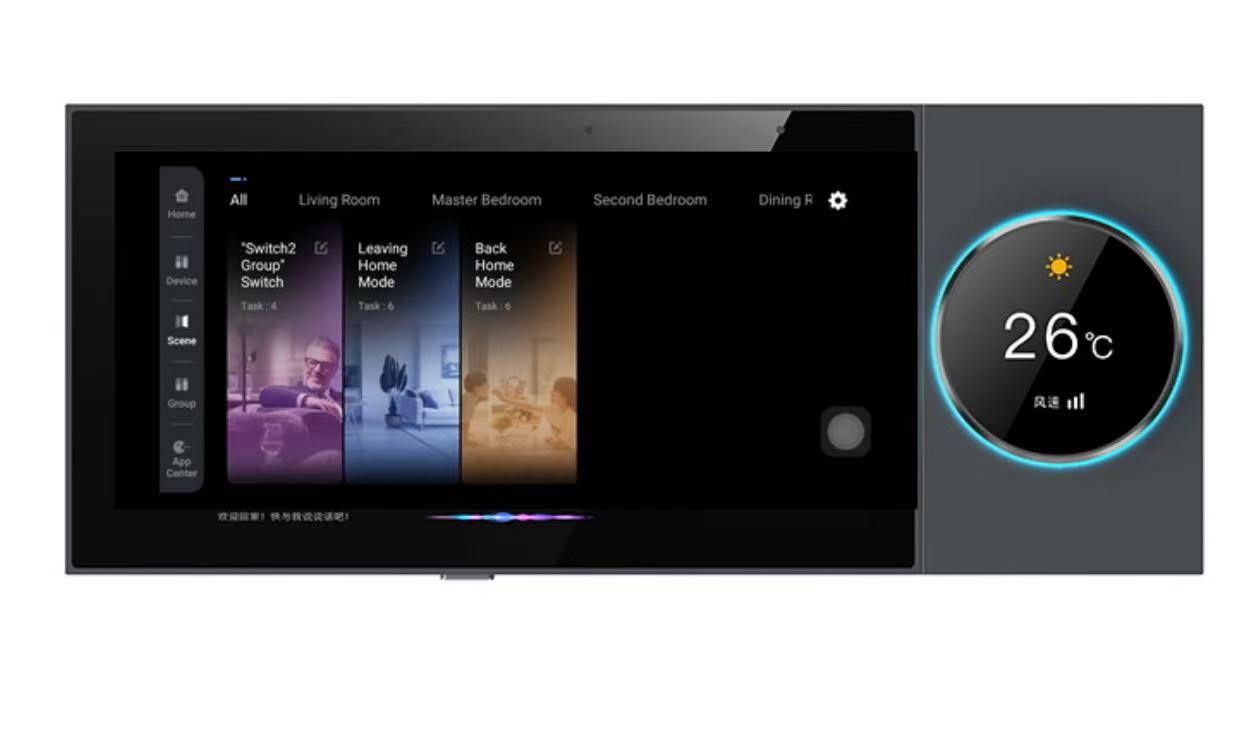
A wall-mounted control panel isn't a luxury anymore — it's the command center your smart home desperately needs. But not all panels are created equal. Choose wrong, and you've just installed an expensive paperweight.
So let's break down what actually matters in 2026.
What to Look For: The 2026 Smart Panel Checklist
1. Screen Size & Resolution: Bigger Isn't Always Better
In 2026, smart panels come in three main sizes:
| Size | Best For | Typical Resolution |
|---|---|---|
| 6-inch | Compact spaces, bedside, bathroom | 720×1200 or 800×1280 |
| 7-inch | Hallway, kitchen, secondary control | 800×1280 or 1200×1920 |
| 8-inch | Medium rooms, home office | 800×1280 or 1200×1920 |
| 10-inch | Main living areas, primary control hub | 1280×800 or 1920×1200 |
| 12-inch | Large living rooms, luxury installations | 1920×1200 or higher |

The sweet spot for most homes in 2026? A 10-inch IPS display with at least 1280×800 resolution. But Xingliao (星廖) offers the full range — from a compact 6-inch for tight spaces to a commanding 12-inch for open-plan living areas. The 7-inch and 8-inch models hit the perfect balance for kitchens and hallways where you want control without dominance.
Pro tip: Look for IPS panels, not TN. Viewing angles matter when you're approaching from the side, and IPS delivers consistent color and clarity from any angle.
2. Touch Response: The 2026 Standard
Capacitive multi-touch is baseline now. But here's what separates good from great:
- 2.5D curved glass — feels premium, easier to swipe
- Anti-fingerprint coating — because nobody wants a smudged screen
- Glove-friendly mode — surprisingly useful in garages and workshops
- Wet hand operation — essential for bathroom-adjacent installations
If a panel doesn't support at least 5-point multi-touch in 2026, keep shopping.
3. Protocol Support: The Compatibility Game
This is where most buyers mess up. You buy a gorgeous panel, mount it, and discover it only speaks Zigbee while your lights are all Z-Wave. Oops.
The 2026 connectivity checklist:
- ✅ Wi-Fi 6/6E — baseline for everything
- ✅ Zigbee 3.0 — still the king of low-power device mesh
- ✅ Bluetooth 5.2+ — for direct device pairing and BLE sensors
- ✅ Matter/Thread — the protocol of 2026; if your panel doesn't support Matter, it's already outdated
- ⚠️ Z-Wave — nice to have, but declining in 2026
- ⚠️ RF 433MHz — legacy support for older devices
The golden rule: The more protocols, the better. A panel that only supports one or two protocols will limit your device choices forever.
4. Operating System: Android vs. Proprietary
In 2026, most quality panels run on Android 11 or higher (some are on Android 13). Here's why that matters:
Android-based panels:
- Access to Google Play Store for compatible apps
- Regular security updates
- Easier integration with third-party services
- Familiar interface for most users
Proprietary OS panels:
- Often more stable for basic functions
- Limited app ecosystem
- Vendor lock-in risk
- May become unsupported
Our recommendation? Go Android, but make sure the manufacturer commits to at least 3 years of security updates. A smart panel with unpatched vulnerabilities is a hacker's dream.
5. Processor & Memory: Don't Skimp Here
A laggy control panel is worse than no panel at all. Minimum specs for 2026:
| Component | Minimum | Recommended |
|---|---|---|
| CPU | Quad-core 1.5GHz | Octa-core 2.0GHz+ |
| RAM | 2GB | 4GB+ |
| Storage | 8GB | 16GB+ |
| GPU | Mali-G31 | Mali-G52 or better |
Why does GPU matter? Because in 2026, panels animate everything — room transitions, device status changes, weather widgets. A weak GPU means stuttery animations and frustrated family members.
6. Physical Design: It's Furniture, Not Just Tech
This is the part most tech reviews ignore. Your control panel will be on your wall, visible to everyone, every day.
2026 design trends:
- Ultra-thin bezels — the 2020s thick-border look is dead
- Flush wall mounting — no protruding boxes
- Multiple color options — white, black, silver, gold accents
- Customizable UI themes — match your interior design
- Physical buttons — yes, really. A few tactile buttons for common actions (lights on/off, scene activation) are making a comeback
7. Power & Installation: PoE is King
Power over Ethernet (PoE) has become the standard for fixed control panels in 2026. Here's why:
- Single cable for power AND data
- No Wi-Fi congestion for the panel itself
- More reliable than wireless
- Easier installation (especially in retrofit scenarios)
Alternative: Some panels support 24V DC or standard USB-C PD (Power Delivery). Avoid panels that only work with proprietary power adapters — replacement adapters become impossible to find.
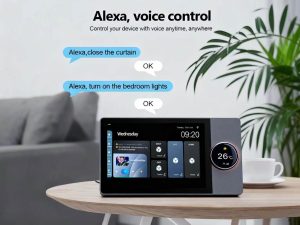
8. Voice Control: Built-in vs. Integration
In 2026, voice control is non-negotiable. But there's a difference:
- Built-in microphones/speakers — the panel itself responds to voice
- Integration with external assistants — works with Alexa, Google Assistant, Siri
Best case? Both. The panel should have its own wake word for local commands, plus full integration with your existing voice ecosystem.
9. Privacy: The Feature Everyone Forgets
A control panel with cameras and microphones is a potential surveillance device. 2026's best panels include:
- Physical camera shutter — slide to cover
- Hardware microphone mute switch — not software, physical
- Local processing — voice commands processed on-device, not in the cloud
- End-to-end encryption for remote access
If a panel doesn't have these, ask yourself: do you trust the manufacturer with a live feed of your living room?
The Hidden Costs Nobody Talks About
Before you buy, factor in:
- Installation — DIY vs. professional ($50-300)
- Wall bracket — often sold separately ($15-50)
- PoE injector/switch — if you don't have one ($30-100)
- Cloud subscription — some advanced features require monthly fees ($5-15/month)
- Future-proofing — will this panel still be relevant in 2028?
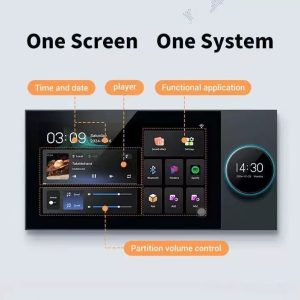
So, What's the Answer? One Screen, One System.
After testing dozens of panels and living with them in real homes, the pattern is clear: the best smart home experience comes from a single, unified control point.
Not a phone app. Not scattered voice assistants. Not a dozen different apps for a dozen different brands.
One screen that controls everything.
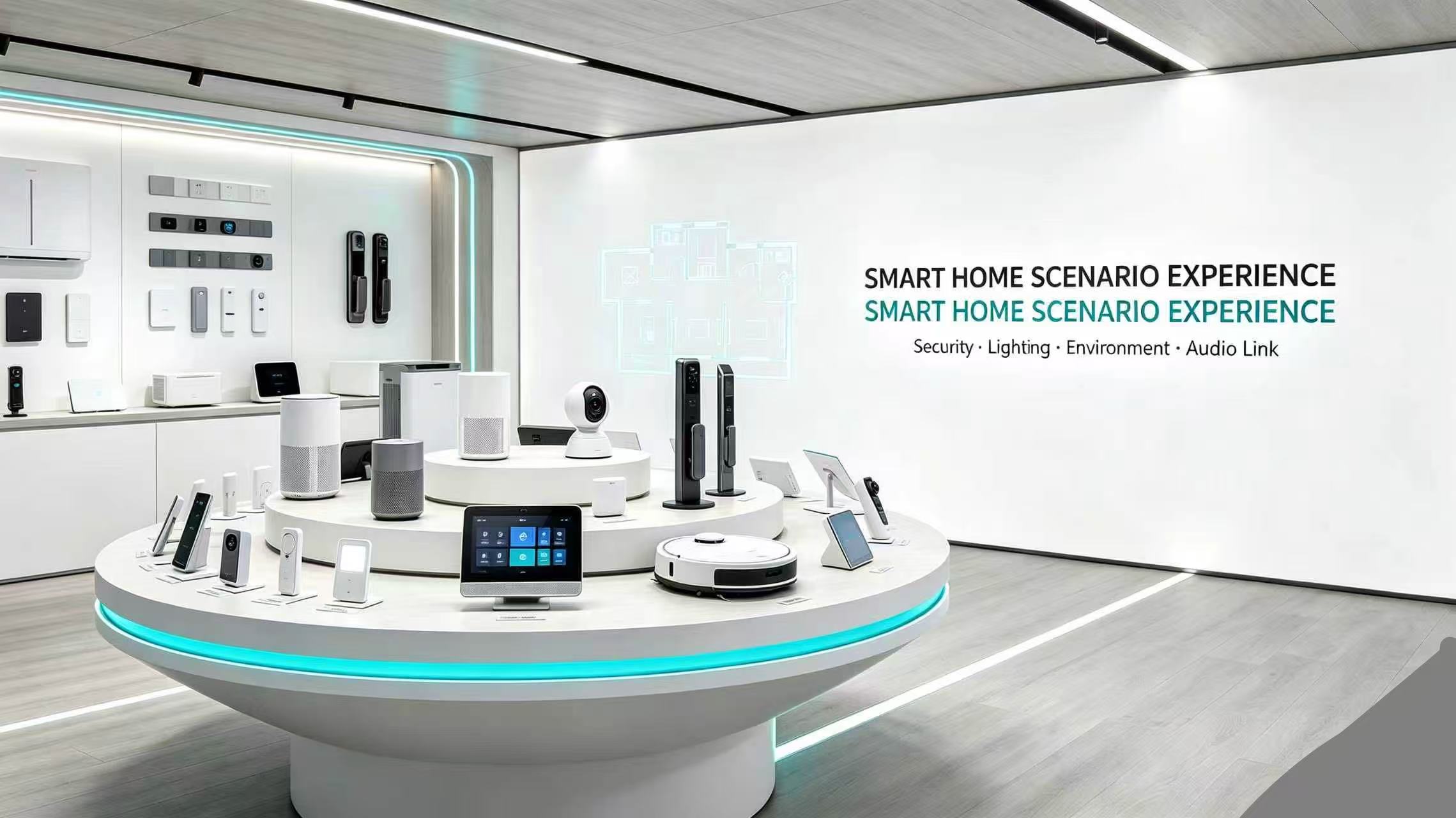
This is where Xingliao's One Screen One System approach stands out in 2026. Instead of forcing you to choose between protocols, between ecosystems, between convenience and compatibility — it brings everything together.
Here's what that actually means:
- Multi-protocol by design — Zigbee, Wi-Fi, Bluetooth, Matter/Thread, all in one panel. No more "will this work with that?"
- Android-based with real update commitment — not a forked, frozen version, but genuine Android with ongoing security patches
- PoE + Wi-Fi backup — reliable wired connection with wireless fallback
- Local-first processing — your commands stay in your home, not someone's cloud
- Flush-mount, ultra-thin design — looks like it belongs in a modern home, not a server room
The 10-inch flagship panel checks every box on our 2026 checklist: IPS display, octa-core processor, 4GB RAM, Matter support, physical privacy controls, and a UI that actually makes sense to non-technical family members.
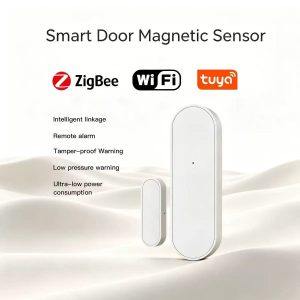
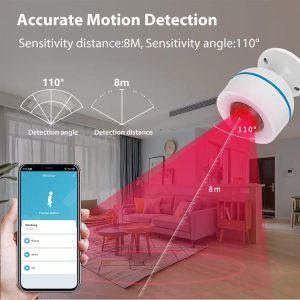
But here's the real differentiator: the ecosystem. Xingliao doesn't just make panels — they make the sensors, the switches, the cameras, the locks that connect to them. Everything is designed to work together, out of the box, without third-party bridges or workarounds.
Final Verdict: What Should You Buy in 2026?
If you're just starting your smart home journey:
Start with a 10-inch main panel in your living area, plus a 6-inch or 7-inch panel by the front door. This covers 80% of daily interactions.
If you already have a mix of devices:
Prioritize protocol support above all else. A panel that only speaks Zigbee when half your devices are Z-Wave or Matter is a recipe for frustration.
If you care about privacy:
Demand physical privacy controls and local processing. Anything less is a compromise you shouldn't make in 2026.
If you want it to just work:
Look for a complete ecosystem — panel, devices, app, cloud (optional) — from a single manufacturer. The integration quality is almost always better than cobbling together devices from five different brands.
The Bottom Line
Choosing a smart home control panel in 2026 isn't about finding the most features or the lowest price. It's about finding the right balance of compatibility, performance, design, and trust.
Ask the hard questions:
- Will this still work with my devices in 3 years?
- Can my parents use it without calling me?
- Does the manufacturer respect my privacy?
- Does it look like it belongs in my home?

Get those answers right, and that "expensive paperweight" becomes the nerve center of a home that actually feels smart.
One screen. One system. One decision that changes everything.
What's your smart home setup like? Are you team "one panel to rule them all" or do you prefer scattered control points? Drop a comment below — I'd love to hear what's working (and what's not) in your home.

Ready to upgrade your home? Explore the full range of Xingliao (星廖) smart home control panels and find your perfect fit at xingliao.com — from 6-inch compact controllers to 12-inch flagship hubs, all built on the One Screen One System philosophy.
About the author: Smart home enthusiast and former systems integrator. I've installed, broken, and fixed more smart home devices than I care to count. Currently running a 60+ device setup with — you guessed it — one main control panel.